

low e tempered glass
The Importance of 2% Butterfly Valve Manufacturers in Modern Industries Butterfly valves are critical components in various industrial applications, primarily due to their efficient operation and ability to control the flow of liquids and gases. Among the diverse varieties of butterfly valves, the 2% butterfly valve has garnered attention for its specific performance characteristics and advantages. Manufacturers specializing in 2% butterfly valves play a vital role in numerous sectors, from water treatment facilities to chemical processing and beyond. The Importance of 2% Butterfly Valve Manufacturers in Modern Industries One of the main advantages of 2% butterfly valves is their compact design, which offers substantial savings on space and weight compared to traditional valve types. This attribute is especially crucial in industries where installation space is limited or where weight restrictions apply, such as in aerospace and oil platforms. Manufacturers of 2% butterfly valves understand the demands of modern systems and continually innovate their designs to meet stringent industry standards. 2 butterfly valve manufacturers Quality is paramount when it comes to any valve manufacturer. The best practices in manufacturing involve selecting durable materials that can withstand high-pressure environments and corrosive substances. Leading 2% butterfly valve manufacturers utilize materials such as stainless steel, ductile iron, and high-performance plastic to ensure the longevity and efficiency of their products. Additionally, manufacturers invest in advanced technology and testing methods to ensure that each valve they produce meets predefined operational standards. Moreover, the choice of a reputable manufacturer can significantly influence operational efficiency and safety. Many industries now require compliance with international standards, such as ISO certifications. Effective 2% butterfly valve manufacturers often pursue these certifications to instill confidence in their products. Buyers should look for manufacturers that not only have these certifications but also offer comprehensive warranties and support services for their products. Another key aspect to consider when evaluating 2% butterfly valve manufacturers is the level of research and development they engage in. The development of innovative technologies, such as smart valves that incorporate IoT solutions for real-time monitoring and control, signifies a manufacturer’s commitment to advancing the industry. Such innovations can lead to enhanced performance, reduced operational costs, and increased safety, thereby creating a considerable competitive advantage. In conclusion, 2% butterfly valve manufacturers play a significant role in supporting the needs of various industries. Their ability to produce high-quality, reliable, and innovative valves is essential for maintaining operational efficiency and safety in critical applications. As industries continue to evolve and demand more from their equipment, the expertise and adaptability of specialized manufacturers will undoubtedly remain a cornerstone of success in fluid control applications. For companies looking to invest in butterfly valves, partnering with a manufacturer that embraces quality, innovation, and customer service can yield significant long-term benefits.
about
low e tempered glass
Understanding One-Way Water Valves Essential Components in Fluid Control In various industries, the efficient and reliable movement of fluids is paramount. One essential component that facilitates this is the one-way water valve, often referred to as a check valve. These devices are designed to allow fluid (liquid or gas) to flow in only one direction, preventing backflow and ensuring the proper functioning of hydraulic systems, water supply lines, and irrigation systems, among others. How One-Way Water Valves Work At its core, a one-way water valve consists of a seat and a movable element, typically called a disc or ball. When fluid flows in the designated direction, the force of the fluid opens the valve, allowing it to pass through. However, if the fluid attempts to flow back, the movable element is pushed against the seat, effectively closing the valve and preventing reverse flow. This simple yet effective mechanism makes one-way valves critical components in ensuring the safety and reliability of various piping systems. Applications of One-Way Water Valves One-way water valves are commonly used in several applications. In residential plumbing, for instance, they can prevent backflow in water supply systems, ensuring that clean water does not mix with potentially contaminated water. Similarly, in irrigation systems, check valves can prevent water from draining back into the supply line when the pump is turned off, maintaining pressure and optimizing water usage. In industrial settings, one-way water valves play pivotal roles in processing fluids. They are often employed in manufacturing plants where liquids or gases must be transferred through pipelines without the risk of backflow, which could lead to contamination or equipment failure. Moreover, they are vital in sewage and wastewater management systems, where they help direct flow and prevent backflow that could cause significant environmental hazards. Types of One-Way Water Valves There are several types of one-way water valves, each designed for specific applications. The most common types include one way water valve 1. Swing Check Valves These valves have a disc that swings on a hinge. They are ideal for systems where the fluid flow is steady and can operate effectively under various pressure conditions. 2. Ball Check Valves Utilizing a spherical component that sits on a seat, these valves are generally used in applications involving high pressure and dirty fluids due to their ability to handle solid particles. 3. Spring-Loaded Check Valves These feature a spring mechanism that helps keep the valve closed until the fluid pressure overcomes the spring force. This type of valve is useful in applications where the flow might be subject to fluctuations. 4. Diaphragm Check Valves These utilize a flexible diaphragm that opens and closes the valve based on pressure changes. They are often used in sanitary applications or where leakage must be minimized. Maintenance and Considerations While one-way water valves are designed to be durable and reliable, regular maintenance is essential to ensure their proper functioning over time. Factors such as corrosion, sediment buildup, and wear and tear can affect their performance. It is advisable to periodically inspect and clean the valves or replace them if significant deterioration is noted. When selecting a one-way water valve for a specific application, factors like the type of fluid, pressure requirements, and environmental conditions should be considered to ensure optimal performance. In conclusion, one-way water valves are integral components in fluid control systems across various applications. Their ability to prevent backflow not only safeguards the integrity of the fluid being transported but also enhances the efficiency of numerous operations. Understanding their functionalities, types, and maintenance needs is crucial for anyone involved in plumbing, industrial processes, or fluid management.
-

High quality industrial productsagement

High quality industrial products
View Details -

Meet the diverse needs of customers

Meet the diverse needs of customers
View Details -

Strict quality control

Strict quality control
View Details -

Top raw materials

Top raw materials
View Details -

Trusted supplier

Trusted supplier
View Details
Our application

news and information
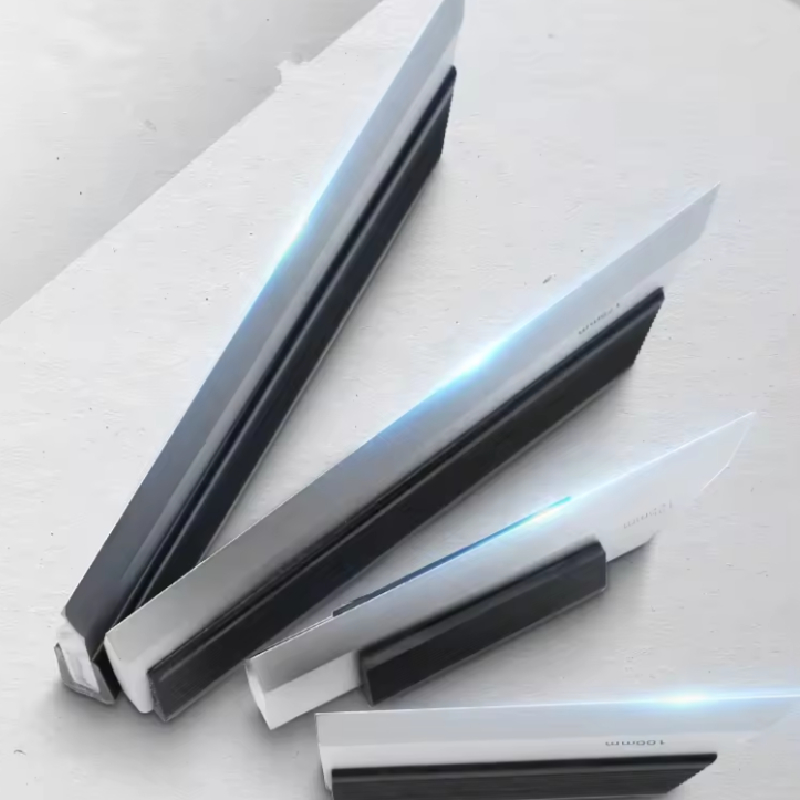
v guide rail
Understanding the Importance of Guide Rails A Comprehensive Overview Guide rails, often overlooked i
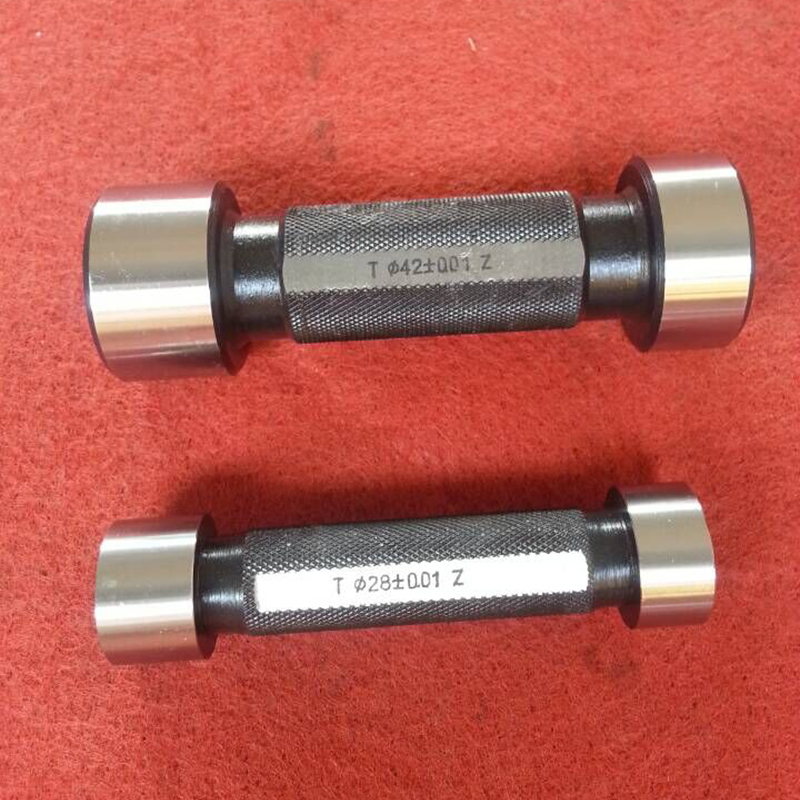
welding tables should be made of
The Importance of Welding Tables Material Considerations Welding is an essential process in various
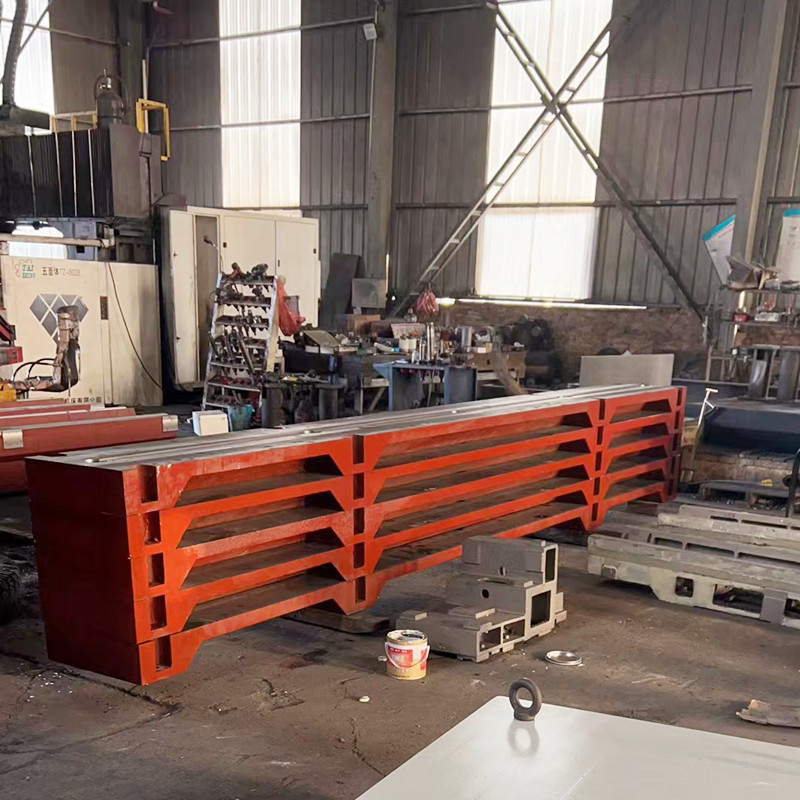
Wood Villa House Truss Repair Mending Nails and Plates Solution
The Essential Role of Truss Mending Nail Plates in Wooden Villa Construction In the realm of archit
 English